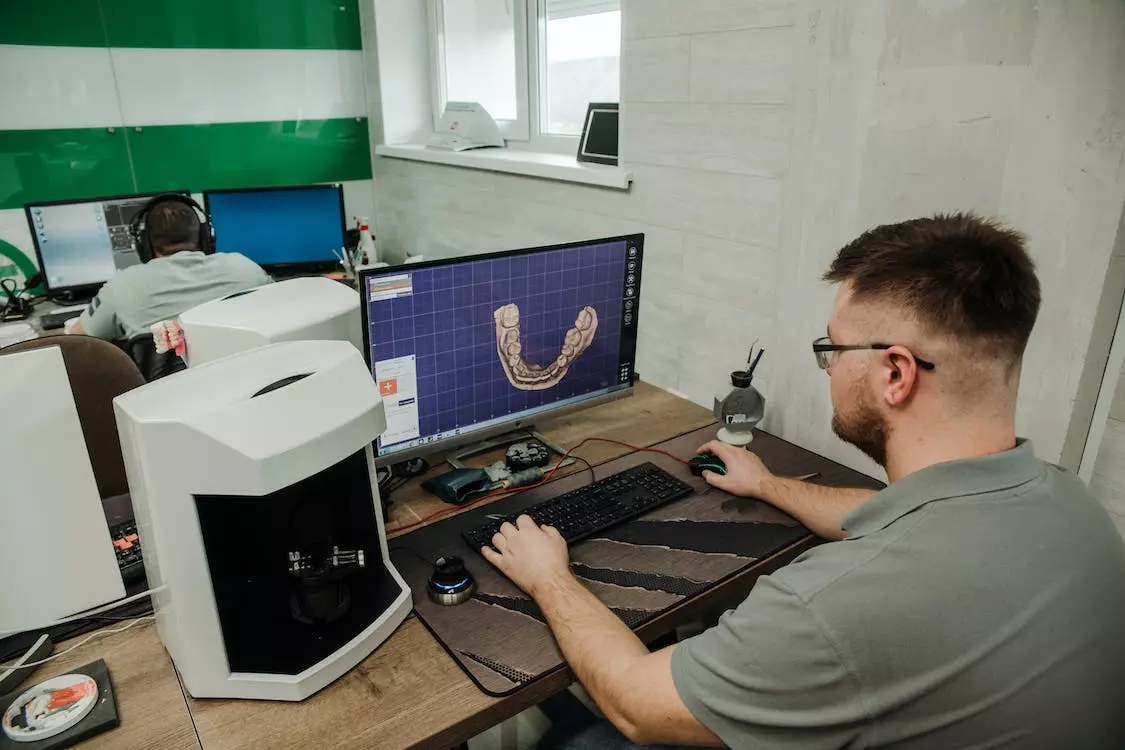
When it comes to unleashing creativity and bringing imagination to life, few tools are as powerful as 3D modeling programs. These software applications open possibilities, allowing designers and artists to create stunning three-dimensional digital models. In this article, we will delve into the exciting realm of 3D modeling programs and discover how they empower individuals to express their creativity in unique and captivating ways.
1. The Art of 3D Modeling: A Window to Imagination
3D modeling programs lie in the ability to turn ideas into reality. These programs provide a platform for designers to sculpt, shape and refine digital objects with precision and detail. With a vast array of tools and features, users can create everything from complex characters and realistic environments to architectural structures and product prototypes. The possibilities are limited only by imagination.
In 3D modeling, every project is a blank canvas waiting to be transformed into a masterpiece. Whether a professional artist or an aspiring hobbyist, a 3D modeling program is your toolkit for expressing your creative vision.
2. Navigating the Landscape: Understanding Different 3D Modeling Programs
The world of 3D modeling programs has diverse options, from industry-standard software to beginner-friendly tools. There is a program to suit every skill level and project requirement. When choosing a 3D modeling program, consider factors such as ease of use, features, compatibility, and community support.
3. Unleashing the Potential: Features and Tools of 3D Modeling Programs
The power of 3D modeling programs lies in their extensive range of features and tools. These programs offer a rich set of functionalities that enable users to manipulate geometry, apply textures and materials, create animations, and render realistic images. From intuitive user interfaces to advanced modeling techniques, 3D modeling programs provide a toolkit designed to unleash your creativity and bring your ideas to life.
Think of a 3D modeling program as your virtual workshop, equipped with all the tools you need to craft your digital creations. With the right program, you can sculpt, shape, and refine your models with ease and precision.
4. The Impact of 3D Modeling: Revolutionizing Industries and Beyond
The influence of 3D modeling extends beyond the realm of art and design. It has revolutionized the architecture, engineering, gaming, and product development industries. With the ability to create detailed and accurate digital representations, 3D modeling programs have become essential in visualizing concepts, testing designs, and communicating ideas.
5. The Journey Begins: Exploring and Creating with 3D Modeling Programs
Embarking on the journey of 3D modeling is an exciting and rewarding endeavor. With many resources available, from tutorials and online communities to workshops and courses, there has never been a better time to dive into this captivating world. Embrace the learning process, experiment with different techniques, and allow your imagination to soar. Remember, the key to becoming a proficient 3D model creator lies in practice, persistence, and a willingness to push beyond your comfort zone.
According to Adobe 3D AR, “Modeler handles more tedious and technical aspects of modeling, like UV management, so you can better focus on the creative process.”
In a world where imagination knows no bounds, 3D modeling programs offer a gateway to unleash creativity and bring ideas to life. These powerful tools empower individuals to sculpt, shape, and refine their digital creations with precision and detail. By exploring the diverse landscape of 3D modeling programs, understanding their features and tools, and embracing the learning process, you can embark on a fulfilling journey of self-expression and artistic discovery. So, pick up your digital brush and let your imagination soar as you venture into the world of 3D modeling programs. The possibilities are limited only by your creativity.